

Choosing casino software is more useful than counting titles. A large lobby can contain several versions of the same idea, while a smaller selection may offer clearer information about rules, volatility and game mechanics. The published material for crowngreen casino names a broad range of studios and categories, but availability can vary by market, account and date. For New Zealand readers, the sensible approach is to identify the provider, assess the software behind each game and confirm that the title is actually available to you before making any payment or play decision.
Start with the provider, not the game title
A provider is the studio or software company responsible for developing a game, although an operator may display titles through an aggregation platform. Looking at the provider first gives you a practical way to organise a large lobby. The source material names studios including Play’n GO, Pragmatic Play, Evolution, NetEnt, Microgaming, Yggdrasil, Playtech, BGaming, Playson, Betsoft, Hacksaw Gaming, Amusnet, Ezugi, Big Time Gaming, Blueprint Gaming and others. This is a reported selection, not confirmation that every named studio or title is available to every New Zealand account.
Provider names can help you find a familiar design style, but they are not a guarantee of a particular result. One studio may offer low-feature classic slots, high-variance jackpot games and more frequent bonus rounds at the same time. Another may specialise in live tables rather than slots. Treat the name as a filing system rather than a quality certificate. The important follow-up questions are whether the game shows its rules, whether the pay structure is understandable and whether the title suits the amount of risk you are prepared to accept.
It is also worth separating the software provider from the casino operator and any licence mentioned in the terms. A recognised studio does not automatically confirm the suitability, legality or regulatory status of the platform presenting its games. The supplied material describes an offshore operation and notes that New Zealand eligibility is not consistent across available information. Before relying on any provider list, check the live lobby, current terms and registration controls rather than assuming a named studio means access is permitted.

Which software details deserve a closer look?
Begin with the game information panel. For slots, check the stated return-to-player figure, paylines or ways to win, maximum win information, bonus features and volatility description where supplied. RTP is a long-term mathematical estimate, not a forecast for one session. Volatility describes how frequently and dramatically outcomes may vary, but labels such as low, medium or high are not perfectly standardised between studios. If these details are missing or difficult to locate, that is a reason to pause rather than fill the gaps with assumptions.
Table and live-dealer games require a different inspection. Roulette may have different wheel formats and rules; blackjack tables can vary in number of decks, payout rules and options; baccarat may use different side bets. Live games also depend on table limits, interface quality, dealer presentation and the clarity of the displayed betting window. A short demonstration or a few rounds cannot establish whether a game performs as advertised over time. It can only help you understand the controls and rules before deciding whether to continue.
Instant-win games, scratch cards, keno, bingo and jackpot products should be assessed separately from slots. Their outcome structures may be simpler to operate but not necessarily easier to understand. Look for the cost per round, prize distribution, any stated maximum payout and whether a progressive jackpot has conditions attached. “Bonus friendly” or “hot RTP” filters reported in the material may assist browsing, but filter labels are not independent evidence. Open the individual game information and read the rules before treating a category label as meaningful.
Use lobby filters without mistaking them for advice
Filters can make software selection quicker when the lobby contains slots, table games, live dealer titles and instant-win products together. Useful reported categories include Hot RTP, Best Slots, Bonus Buy, Hold and Win, Jackpot Games and Instant Win. Live sections may separately filter roulette, blackjack, baccarat and poker. These labels are best used to narrow a search, not to decide what you should play. A filter usually reflects merchandising or a database tag, and its meaning may not be explained consistently.
A more disciplined browsing method is to choose one category, then compare a small number of games using the same criteria. Record the provider, game type, displayed RTP if available, volatility, minimum stake, maximum stake and key features. For live games, add the table limits and rule variation. This prevents a colourful thumbnail or promotional placement from becoming the main reason for selection. It also makes it easier to notice when two apparently different titles have similar mechanics and risk profiles.
Promotional tags need particular caution. The source material reports labels such as Bonus Friendly and describes wagering contributions that can differ sharply between slots, table games and card games. A game that contributes fully to a promotion may still carry substantial variance, while a table game with a lower contribution may be more familiar but less useful for meeting a promotion’s conditions. Read the specific offer rules, including excluded games, maximum bets and expiry terms. Do not select software solely because it appears beside a bonus message.
Check whether the software is actually available
A provider list published in a review or marketing page is not the same as a live catalogue. Titles can be removed, restricted by jurisdiction, replaced by newer versions or hidden from particular account types. Payment currency and location may also affect what appears in the lobby. The supplied information contains conflicting reports about New Zealand eligibility, including a restricted-country reference. That uncertainty means availability should be confirmed directly through current terms and account controls before you spend time comparing a title.
Account verification can also affect access. The terms reportedly require accurate personal details, one account per person and compliance with age and jurisdiction rules. Identity checks may be requested before deposits or withdrawals, and a withdrawal can remain pending while documents are reviewed. These requirements do not establish that any particular game will be available, but they explain why a title seen in general promotional material may not appear after account checks.
Do not assume that a New Zealand dollar balance, local payment method or local-language page proves that the software is authorised for use in New Zealand. The Department of Internal Affairs provides official gambling information for New Zealand, but general government information should not be read as confirmation of a particular overseas platform’s eligibility or approval. Check the operator’s current jurisdiction wording, game lobby and terms together, and avoid depositing if those sources do not give a clear answer.
Build a shortlist that matches your playing purpose
The best shortlist is not necessarily the one with the most providers. For casual browsing, you might prefer a few transparent slot titles with clearly displayed rules and manageable stake ranges. For table games, you may prioritise rule variations, table limits and whether the format is live or automated. For a quick, fixed-cost experience, an instant-win title may be easier to understand, but the cost and prize structure still need checking before use.
Use a simple decision sequence before selecting software:
- Confirm that the account and game are available for your location.
- Identify the actual provider and game format.
- Read the rules, RTP information and volatility description where supplied.
- Check the stake range and any bonus or jackpot conditions.
- Compare the title with at least two alternatives in the same category.
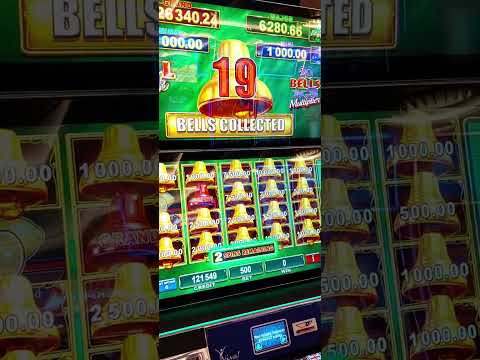
Finally, keep software choice separate from the decision to gamble. A polished interface, familiar provider or attractive feature does not improve the odds of a particular session. Set a spending limit before opening a game and treat losses as a cost, never as money that must be recovered. If the information is incomplete, the prudent choice is to leave the title alone until the operator provides clearer details. Game selection should reduce confusion, not create pressure to play.
Questions about casino software selection
Does a well-known provider guarantee a better game?
No. A recognised provider may offer clearer information or established design standards, but it does not guarantee a particular RTP, payout, variance or user experience. Assess the individual title, rules and stake range. Provider reputation is a useful starting point for comparison, not proof that a game is suitable or profitable.
Can a filter such as “Hot RTP” prove better odds?
No. A lobby filter may group games according to information supplied by the operator or a database, but it does not independently verify the figures. Open the game’s rules and check the displayed RTP and conditions. If the information is absent or unclear, do not treat the filter as evidence of better odds.
Why might a listed provider or game be missing?
Game catalogues can change by market, date, account status, software agreement or jurisdiction. A provider may also offer only selected titles through a particular platform. Conflicting information about New Zealand access makes this especially important. Check the live lobby and current terms, and do not rely on an older provider list.